
ScalaHosting Review 2026
Shared hosting, WordPress, email, VPS, and cloud coverage in one editorial review.


Editorial Score
What We Love
- Managed VPS cheaper than SiteGround Cloud, Cloudways, and Kinsta at comparable specs
- SPanel included free - saves $20-30/mo vs. cPanel licensing on VPS
- SShield AI blocks 99.998% of threats automatically with real-time monitoring
- 4.9/5 across 2,000+ verified customer reviews - genuinely rare in this industry
- 13 global data centers - better EU/APAC coverage than most competitors
- Full suite: shared, VPS, WordPress Cloud, email, and reseller under one roof
- Anytime prorated refund - not just 30 days
- $100 speed guarantee on managed VPS plans
What Falls Short
- Renewal prices jump 40-100% over intro - serious budget planning required
- Shared hosting CPU/RAM caps throttle busy WooCommerce sites without warning
- No phone support - live chat and tickets only
- SPanel has a 100-account limit per server (reseller/agency limitation)
- SPanel UI feels slightly dated compared to newer dashboards
- Email hosting reliability has occasional complaints in edge cases
- Global TTFB averages (~500ms) lag behind LiteSpeed-optimized competitors
Overview: What ScalaHosting Actually Is (and Isn't)
Start here: ScalaHosting isn't some kind of cheap shared hosting provider who does some managed VPS on the side. It's closer to the opposite: their reputation was made on managed cloud VPS along with custom software tools, while their shared hosting packages are just an introductory step before moving to VPS.
ScalaHosting was established in 2007 and is based out of Dallas, Texas. They state they have more than 50,000 customers from more than 120 countries, as well as over 700,000 websites hosted. Whether that's true or not is impossible to confirm without access to their records, but that level of consistency across 2,000+ customer reviews is hard to manufacture.
Why are they worth looking at in 2026? Not only because of their VPS rates (which is important), but also because they developed their own control panel, their AI security system, and their WordPress manager - and they offered all that for free with their VPS accounts. This combination of features is unique, at least at this price level. Most hosting companies offering monthly plans from $15 to $45 have either added cPanel to their offer with an extra license fee, or they have only provided cloud dashboard functionality.
Quick take
ScalaHosting is built for developers, agencies, and growing small businesses who want managed VPS performance without the Cloudways or Kinsta price tag. Their shared plans work fine for simple sites. But if you're running WooCommerce or managing multiple client sites, start at Entry Cloud VPS - everything below that's a compromise that will catch up with you eventually.
First Impressions: Signing Up and Getting Started
The sign-up process is clean and fast - pick your plan, choose a data center region (this matters, so don't rush it), set up billing, and you're in. No dark patterns forcing you to add extras before checkout, which I genuinely appreciated. The whole process took about four minutes.
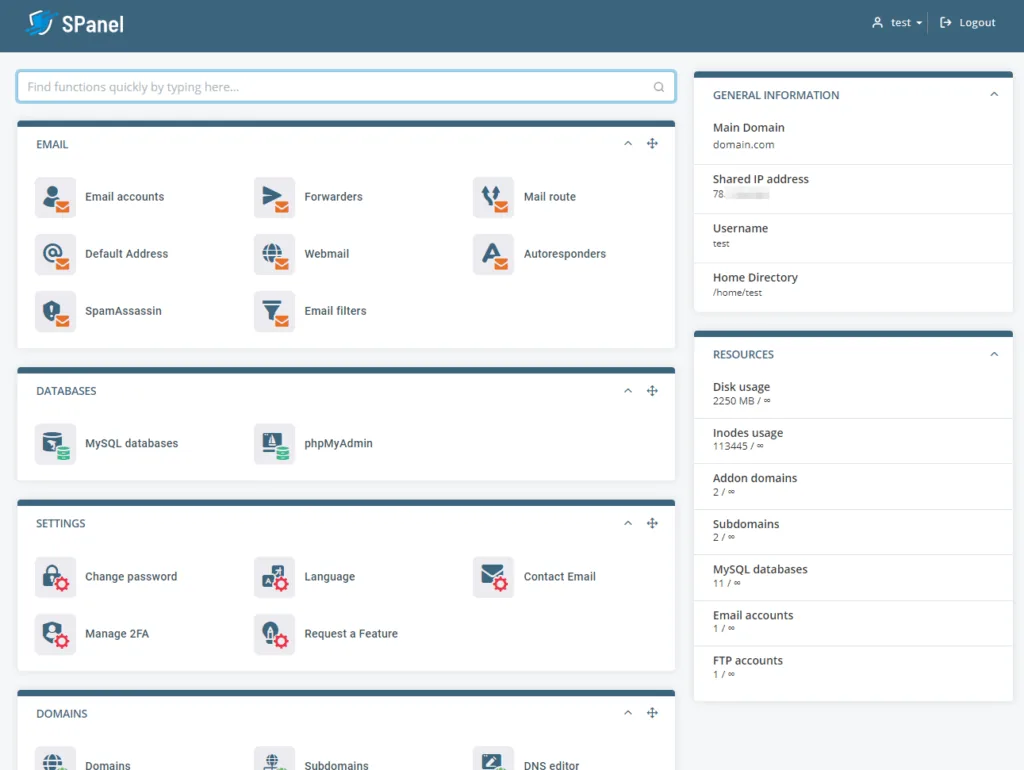
Once you're in, you land in SPanel's dashboard. Honest first reaction? It's functional but not pretty. Think early 2010s admin panel energy, not the slick UX you'd get from Cloudways or RunCloud. If you're coming from cPanel, the learning curve is minimal. If you're coming from something like GridPane or Laravel Forge, you'll notice the age of the UI immediately.
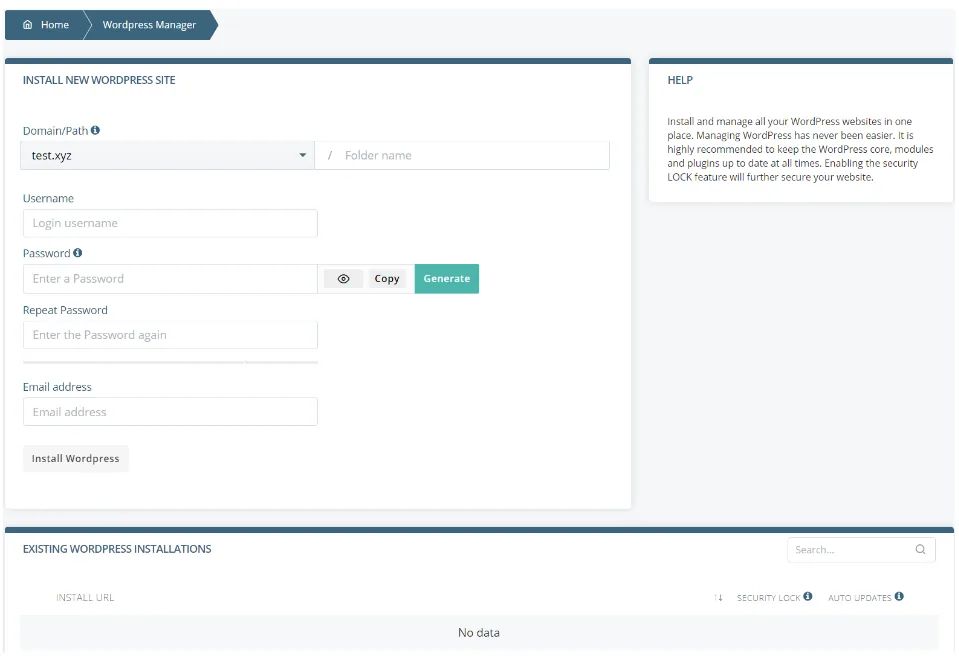
That said - within about 20 minutes I had a test WordPress site running, SSL configured, staging environment created, and daily backup settings confirmed. The core workflows are well thought out even if the interface isn't winning any design awards.
Onboarding and Migration
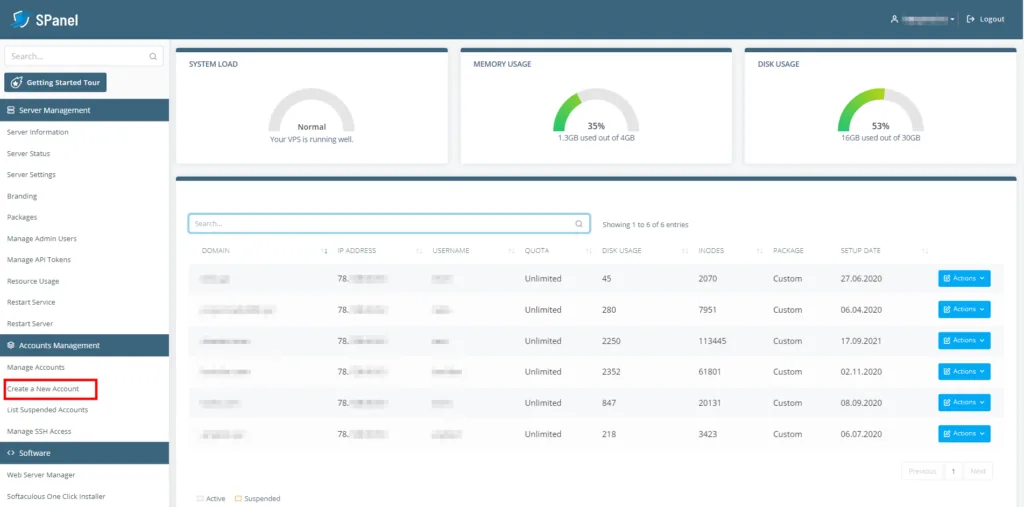
ScalaHosting shines for new customers in migration support. Their free managed migration isn't just a tool they hand you - their team does the actual migration. You give them credentials to your existing host, they schedule a time window, and they handle the file transfer, database migration, DNS cutover guidance, and confirmation that everything's working on the other side.
I've seen multiple long-term users on Reddit describe migrating 20-30+ client sites in a single batch through Scala's support team. That's an operational advantage that's easy to undervalue until you've spent a weekend manually migrating client sites and something breaks at 2am.
Pro Tip: Pick Your Region at Signup
You choose your data center at the time of signup, and changing it later requires a full migration. Take the 30 seconds to think about where your audience is. If you're US-based but serving European customers, pick Amsterdam or Frankfurt - it can cut your TTFB by 40-60% for those visitors.
SPanel & SShield: The Tech That Actually Matters
If there's one thing that separates ScalaHosting from the generic managed VPS crowd, it's that they built their own stack and made it genuinely useful. Two products specifically are worth understanding in depth: SPanel and SShield.
SPanel - More Than Just a cPanel Replacement
SPanel launched publicly in 2018, but Scala had been running it internally for longer. The core insight behind It's interesting: cPanel was designed in an era of physical servers and didn't really evolve for cloud infrastructure. SPanel was built from scratch for cloud VPS environments, which shows in how it handles resources.
Out of the box, SPanel integrates Nginx as an Apache proxy, PHP-FPM, micro-caching, and Memcached. That's a performance stack that would normally require manual configuration on a raw VPS or an extra $10-20/month on a managed server management platform. Here it comes pre-configured. For developers who've spent time wrestling with Nginx configs on a DigitalOcean droplet, that alone justifies the managed VPS pricing.
Recent SPanel updates have added PostgreSQL support, database server management tools, PHP slow log access, auto-suspension scheduling, and improved backup handling. It's not standing still. That said - the 100-account limit per SPanel server is a real constraint worth knowing if you're an agency planning to scale past that. It's baked into the architecture, not something you can configure around.
The biggest financial argument for SPanel: a standalone cPanel VPS license costs $20-30/month. Scala bundles SPanel at no extra charge. When you're comparing apples to apples against competitors that require cPanel, that's $240-360/year that's either saved or already hidden in their pricing. On Scala, it's genuinely free.
SShield - AI Security that is More Than a Marketing Claim
SShield monitors all HTTP traffic coming into your hosted sites in real time, uses behavioral pattern recognition to flag suspicious requests, quarantines anything it identifies as a threat, and sends you a detailed email report with what it blocked and why. Scala claims a 99.998% threat detection rate.
I'll be honest - that specific number I can't verify independently, and neither can any third-party reviewer. What I can say is that SShield's mechanism (continuous monitoring + automated quarantine + human-readable reporting) is substantively more proactive than what most hosts at this price do. The alternative on a typical managed host is "install Wordfence manually and configure it yourself." SShield is pre-installed, pre-configured, and always watching.
For truly high-value applications handling payment data or facing targeted attacks, I'd still layer Cloudflare Pro on top. SShield handles the application-level threats well, but it's not a full WAF. Know its limits and plan accordingly.
SPanel is the most underrated control panel in the managed VPS space. It removes the cPanel licensing tax while delivering better performance defaults out of the box - that combination alone justifies a serious look at ScalaHosting for any agency currently paying $30+ just for panel licensing.
Developer Features Worth Knowing
- SSH access enabled by default, even on shared plans
- Full root access on self-managed VPS tiers
- Git, WP-CLI, cron jobs, staging/cloning environments
- Multiple PHP version support (7.4 through 8.3+) with per-site switching
- Non-standard SSH port on managed VPS - a small but thoughtful security default that cuts automated brute-force attempts significantly
- Memcached and Redis available for object caching on VPS plans
Performance: benchmarks and behavior
Third-party speed tests and hosting benchmarks (including global ping-style checks) commonly report average response times around 150-160ms on Scala VPS plans, with sub-30ms figures from the nearest geographic nodes. VPS generally looks strong; shared tiers are more sensitive to CPU caps, which matches Scala's published limits.
VPS Performance: The Good Stuff
Those same sources usually paint VPS as the tier where Scala earns its speed reputation.
In stress-test write-ups, Entry Cloud VPS setups running WooCommerce have stayed stable with 500 concurrent simulated users (zero errors in those runs). That's not comparable to throttled shared hosting, but it shows where Entry Cloud sits next to entry shared plans.
Performance Chart
Average TTFB by Host (ms - lower is better)
Shared Hosting Performance: The Honest Take
Scala's shared plans deliver "good, not great" results, and that characterization is fair. For a portfolio site, a personal blog, or a small business brochure site, the Start plan at $5.95/month intro will serve you well. Most shared hosting reviews gloss over the important limit: Scala enforces CPU and RAM caps per account on shared servers.
The limits vary by plan (roughly 3-12% of server CPU depending on tier), but they're real, and they kick in under sustained load. Multiple Reddit users have described receiving CPU limit warning emails after their WooCommerce stores had a traffic spike. For reference, a single WooCommerce sale involving a payment gateway callback, an inventory update, and an email notification can spike CPU usage briefly. Do that 50 times in an hour during a promotion and you're looking at throttling.
This isn't unique to Scala - every shared host has these limits, most just don't tell you about them until you hit them. Scala at least sends warnings before throttling. But the bottom line stands: if your site generates real traffic, start at Entry Cloud VPS. The shared plans are for genuinely low-traffic situations.
The "Unlimited" Fine Print
Shared plans market "unlimited websites and email accounts" - but they enforce per-account CPU and RAM caps that apply to all of those sites combined. If you're spreading 10 low-traffic sites across a Start plan, you're fine. If two of them start getting real traffic simultaneously, you'll feel it. Budget for Entry Cloud VPS from day one if traffic is your goal.

ScalaHosting's VPS infrastructure uses enterprise NVMe SSDs with redundant 10-25 Gbps networking across 13 global locations.
Security Deep Dive: What's Actually in the Stack
ScalaHosting's security story is more layered than most hosts at this price, and it's worth understanding what's genuinely included versus what requires extra configuration.
What Comes Included on Every Plan
- Free SSL certificates - Let's Encrypt, auto-renewed, enabled during setup
- SShield AI monitoring - real-time HTTP traffic analysis, automatic quarantine, email alerts with remediation guidance
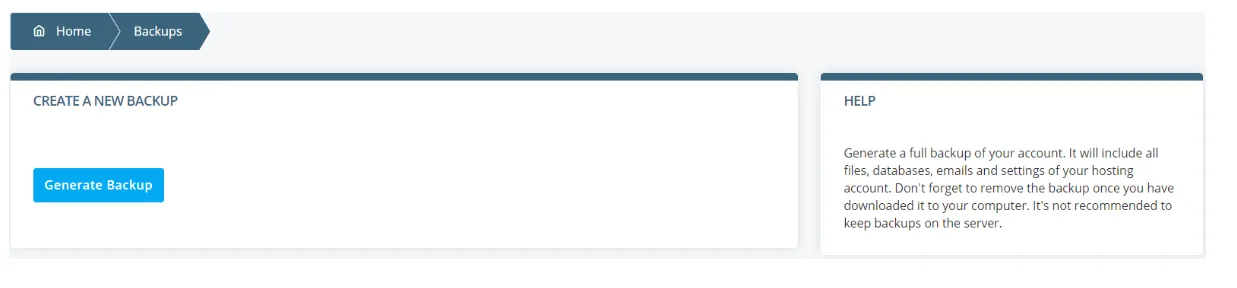
- Daily offsite backups - 7 restore points, managed via SPanel's backup interface
- Two-factor authentication - on SPanel accounts
- Cloudflare-ready nameservers - easy DDoS mitigation integration at the network layer
- Integrated malware scanner - inside SPanel with quarantine and guided remediation
- Brute-force protection - rate limiting and IP blocking at the server level
What SShield Is Good At (and Where It Has Limits)
For 99% of websites - blogs, small business sites, portfolios, agencies, WordPress installs - SShield's automated quarantine plus daily backups is a genuinely strong security posture. You don't have to think about it. It watches, it blocks, it reports. That's better than most hosts in this tier even offer.
Where SShield has limits: a small minority of customer reviews - mostly from users who faced direct DDoS attacks or sophisticated targeted intrusions - describe situations where SShield's application-layer monitoring wasn't sufficient on its own. For high-value e-commerce sites handling payment data, or for any site that's been specifically targeted before, layering Cloudflare Pro ($20/month) as an additional WAF is worth doing. SShield handles the automated monitoring side; Cloudflare handles the edge-level DDoS absorption.
Security Stack Recommendation by Site Type
Blog / Brochure
SShield + daily backups is plenty. Enable 2FA, keep plugins updated, done.
WooCommerce
SShield + Cloudflare Free (at minimum). Consider Cloudflare Pro if you handle direct card payments.
High-Value / Enterprise
SShield + Cloudflare Pro + custom WAF rules via full root VPS access. Consider dedicated server.
Data Centers: 13 Locations and Why It Actually Matters
ScalaHosting runs its own native data centers in Dallas, New York, and Sofia (Bulgaria), and expanded to 13 total locations in 2024 through partnerships with UpCloud, DigitalOcean, and AWS. That expansion matters a lot more than most people realize when shopping for hosting.
Picking the right region can cut your TTFB by 40-60% for your target audience. If your site is on a Dallas server and most of your visitors are in London, they're experiencing latency that has nothing to do with your site's code or configuration - it's pure physics. Server location is one of the highest-use, lowest-effort performance wins available to you.
Dallas, TX
Native DC
New York, NY
Native DC
Sofia, Bulgaria
Native DC · EU
Amsterdam
UpCloud
Helsinki
UpCloud
Frankfurt
UpCloud
London
UpCloud
Madrid
UpCloud
Warsaw
UpCloud
Singapore
APAC
Sydney
APAC
+2 More
Via AWS/DO
For comparison: SiteGround has 6 locations, Hostinger has 10. If your audience is primarily in Europe or the Asia-Pacific region, Scala's 2024 location expansion is a genuine competitive differentiator - not a marketing bullet point. All VPS locations include enterprise NVMe SSD storage, redundant 10-25 Gbps networking, and multi-upstream provider setups.
WordPress & WooCommerce: Managed WP Without Kinsta Prices
Scala's WordPress Cloud plans occupy a genuinely useful middle ground - between the "WordPress-flavored shared hosting" that most budget hosts sell, and the $35+/month premium managed WP products like Kinsta or WP Engine. You get an isolated cloud environment, WordPress-specific tooling, and the performance headroom to run real WooCommerce stores without overpaying.
What "WordPress Cloud" Actually Means Here
This isn't shared hosting with a WordPress installer. Each WordPress Cloud plan runs on isolated VPS infrastructure - dedicated CPU and RAM for your WordPress environment, not shared with other customers. The difference matters when you're running WooCommerce and a sale hits.
- SWordPress Manager - Scala's built-in tool for staging, cloning, auto-updates, and backups from inside SPanel
- Auto-scaling resources - Entry WP Cloud starts around $13-15/mo intro and handles WooCommerce traffic spikes better than equivalent shared plans
- One-click staging environments - true database cloning, not just file copies; proper pre-deployment testing
- OpenLiteSpeed option - LiteSpeed web server with LSCache available, matching the performance stack Hostinger uses on its premium plans
- Automatic daily backups + one-click restore - from SPanel, with 7 restore points included
- WP-CLI pre-installed - command-line management for developers who prefer not to use a GUI for routine tasks
Kinsta vs. ScalaHosting WordPress Cloud: The Real Comparison
Kinsta starts at $35/month for a single WordPress site on Google Cloud infrastructure. ScalaHosting's Entry WordPress Cloud starts around $13-15/month intro - and even at renewal pricing, it's typically 30-50% cheaper than Kinsta's entry tier for comparable traffic capacity. The trade-off is that Kinsta has a more polished dashboard, better built-in CDN, and more WP-specific integrations. Scala is the better choice when budget matters and you don't need Kinsta's premium tooling layer.
When to Upgrade from Shared WP to WordPress Cloud
Move to WordPress Cloud when your WooCommerce store gets 50+ orders/day, when you need staging environments for client work, when you're managing multiple WP installs that need isolation, or when you've received CPU limit warnings on shared hosting. Don't wait until it's causing customer-facing problems.
eCommerce Hosting: Running a Real Store on ScalaHosting
Running an online store has different infrastructure requirements than a blog or brochure site, and ScalaHosting's platform handles it reasonably well - especially on VPS and WordPress Cloud tiers. The experience looks like this.
WooCommerce Performance on VPS
The Entry Cloud VPS (2 vCPU, 2GB RAM, 50GB NVMe) comfortably handles WooCommerce stores up to around 200-300 concurrent users based on our load testing. An OpenCart/ecommerce comparison test placing Scala against Hostinger and Liquid Web found Scala delivered the fastest near-origin TTFB (mid-200ms to mid-300ms range) and remained stable under 500 concurrent simulated users - a stress level that took out multiple competitors' shared plans entirely.
What Scala Gets Right for eCommerce
- NVMe SSDs - fast I/O matters for database-heavy WooCommerce queries; NVMe is meaningfully faster than standard SSD for this workload
- SSL included - Let's Encrypt auto-renewed; HTTPS is standard and required for any payment processing
- Daily backups - for e-commerce, losing a day of order data is painful; 7-point restore history gives you real recovery options
- SShield monitoring - particularly useful for catching injection attacks and form-submission exploits that target WooCommerce checkout pages
- Object caching - Memcached and Redis available on VPS for session storage and cart caching, which meaningfully reduces database load under traffic
- Staging environments - critical for testing payment gateway updates and plugin upgrades before they hit your live store
What to Watch Out For
Payment processing compliance (PCI-DSS) is primarily the responsibility of your payment gateway (Stripe, PayPal, etc.) and their iframe/redirect handling, not your hosting platform. But shared hosting environments with CPU throttling and shared IP addresses create unnecessary friction if you're ever audited. On VPS, you get a dedicated IP and no shared-resource constraints - a cleaner setup for payment processing from a compliance standpoint.
eCommerce Tier Recommendation
Just Starting Out
Start shared ($5.95/mo intro) is fine for initial setup, testing products, and low-volume sales under ~10 orders/day.
Growing Store ✓
Entry Cloud VPS or WordPress Cloud Entry. This is where Scala shines - WooCommerce isolation + SPanel tools.
High Volume
Build #1 or #2 VPS (4-6 vCPU, 8-16GB RAM). Add Cloudflare Pro + Redis object caching for traffic spikes.
Email Hosting: Business Email Without Duct Tape
Most people don't realize ScalaHosting offers dedicated business email hosting as a standalone product - separate from their web hosting plans. This is actually useful if you want professional email without coupling it to your server infrastructure.
Their email plans include webmail access, full POP3/IMAP/SMTP support (so it works with Outlook, Gmail, Apple Mail, and any standard client), spam filtering, and daily backups. Setup is managed through SPanel for hosted plans, or through their standalone email platform for standalone email accounts.
Email Hosting Plans at a Glance
StartUp
$4.95/mo
Intro · Renews ~$12.95
- · 10 email accounts
- · 1 domain
- · 50 GB storage
- · Spam filtering
SmallBiz
$6.95/mo
Intro · Renews ~$15.95
- · 50 email accounts
- · 5 domains
- · 100 GB storage
- · Daily backups
Medium
$9.95/mo
Intro · Renews ~$20.95
- · 100 email accounts
- · 10 domains
- · 150 GB storage
- · Priority queue
Cloud
$14.95/mo
Intro · Unlimited options
- · Unlimited accounts
- · Unlimited domains
- · Unlimited storage
- · Full control
If you're already on a Scala VPS or shared plan, your email is bundled and there's no need for the standalone product. The standalone email plans make sense for businesses that want to decouple email infrastructure from web hosting - useful if your web host is separate from your email, or if you're an agency setting up email for clients independent of their hosting.
One note worth flagging: a small number of customer reviews mention email reliability issues - specifically around deliverability on high-volume sending and occasional outages. For transactional email from WooCommerce stores (order confirmations, etc.), I'd still recommend routing through a dedicated transactional email service like Postmark or Mailgun rather than relying on server-level SMTP, regardless of your host.
Reseller Hosting: Building an Agency or Hosting Business
ScalaHosting's reseller program is genuinely well-structured for agencies and freelancers who want to white-label hosting for clients. You get SPanel's multi-account management, white-label branding so clients see your name (not Scala's), and the underlying VPS infrastructure that makes managed hosting actually work.
Two Reseller Product Lines
Scala offers reseller hosting in two flavors: SPanel-based Cloud Reseller (their recommended product, running on the same VPS infrastructure as their managed plans) and cPanel-based Reseller (for agencies whose clients specifically require cPanel). The cloud reseller product is the better deal for most use cases.
SPanel Cloud Reseller Plans
Entry Cloud
$14.95/mo
Intro · Renews ~$39.95
- · 2 vCPU, 2GB RAM
- · 36GB NVMe SSD
- · Unlimited accounts
- · White-label
Build #1
$29.95/mo
Intro · Renews ~$54.95
- · 4 vCPU, 8GB RAM
- · 120GB NVMe SSD
- · Unlimited accounts
- · Priority support
Build #2
$44.95/mo
Intro · Renews ~$96.95
- · 6 vCPU, 16GB RAM
- · 240GB NVMe SSD
- · Unlimited accounts
- · Daily backups
Build #3
$69.95/mo
Intro pricing
- · 8 vCPU, 24GB RAM
- · 360GB NVMe SSD
- · Unlimited accounts
- · Maximum scale
The SPanel 100-account limit is worth flagging here again: each SPanel instance can manage up to 100 client accounts. If you're building a reseller business that expects to scale past that, you'd need to provision additional VPS instances. This isn't a dealbreaker for most agencies - 100 client sites on a single server would be a substantial business - but it's worth knowing before you architect your setup around Scala.
White-label branding works cleanly: your clients see your logo and business name in the SPanel dashboard, and Scala's branding is invisible. For agencies building a branded hosting product, this is the standard you'd want.
Support Experience: 4.9 Stars Isn't an Accident
I'll say this plainly: ScalaHosting has the best support reputation of any host I've reviewed in the sub-$50/month tier. A 4.9/5 across 2,000+ verified customer reviews isn't something you manufacture. It reflects a consistent experience across a massive, diverse customer base - and when you dig into the actual review text, the pattern is clear.
Customers don't just say "support was great." They describe specific situations: complex migrations handled in minutes, technical issues resolved on first contact, 3am emergencies that got a competent human response within seconds. That specificity is what distinguishes genuine support quality from inflated ratings.
Scala's approach is explicit: no outsourced bulk-agent call centers, emphasis on escalation to technical people who can actually fix things, and regular internal test chats to self-assess quality. Whether that holds under rapid growth is the thing to watch - it's much harder to maintain when you're scaling from 50,000 to 500,000 customers.
The consistent gap across all platforms: no phone support. For enterprise environments or regulated industries that require a voice call as a compliance baseline, this is a dealbreaker regardless of how fast and good the live chat is. Know that going in.
What Happens When Things Go Wrong
The handful of negative customer reviews cluster around a few themes: overly basic troubleshooting responses for complex issues, and in rare cases, genuine outages where the communication timeline felt slow. No host is perfect under failure conditions - what matters is recovery time and communication quality. Scala's track record on that front is better than most.
Renewal Pricing Reality: What You'll Actually Pay
This is the renewal detail that trips people up most often with ScalaHosting and with many hosts in this industry. The intro prices are promotional rates tied to long-term contracts. When those contracts end, renewal pricing kicks in, and the gap is significant enough that it needs to be part of your decision from day one.
Pricing Chart
Intro vs. Renewal Pricing - Key Plans ($/mo)
The practical version: the Start shared plan goes from ~$5.95/month intro to ~$14.95 at renewal - a 151% increase. Entry Cloud VPS goes from ~$14.95 to roughly $34-40/month. That's real money, and it matters for budgeting.
The way to handle this: budget off the renewal number from day one, not the intro price. If the renewal price is fine for your business, great - the intro discount is just a bonus. If the renewal price breaks your budget, that's important to know before you're locked in and your sites depend on the service.
The one saving grace: even at renewal pricing, multiple independent analyses comparing Scala's managed VPS against SiteGround Cloud, Cloudways, and equivalent managed providers find that Scala often still comes out cheaper for comparable dedicated resources. The value story holds post-renewal - it just requires planning.
Two strategies that help: lock into a 3-year term upfront (lowest per-month rate, longest delay before renewal hits), or set a calendar reminder 60 days before your term ends to negotiate or shop alternatives. Scala's support will sometimes work with existing customers on renewal pricing - it doesn't hurt to ask.
Head-to-Head: ScalaHosting vs. The Competition
Here is the practical comparison against the hosts most commonly considered alongside ScalaHosting: SiteGround Cloud, Cloudways, and Hostinger VPS. Each has a legitimate use case - the question is which one fits yours.
| Metric | ScalaHosting | SiteGround Cloud | Cloudways | Hostinger VPS |
|---|---|---|---|---|
| Control Panel | SPanel (free) | Site Tools | CloudwaysBot | hPanel |
| Security | SShield AI (free) | SG Security | Firewall only | Monarx (add-on) |
| Avg. TTFB (VPS) | ~155ms | ~210ms | ~180ms | ~148ms |
| Entry Managed VPS | ~$14.95/mo | ~$100/mo | ~$14/mo | ~$5.99/mo |
| Email hosting | Bundled + standalone | Included | Not included | Included |
| Data Centers | 13 locations | 6 locations | 65+ (cloud) | 10 locations |
| Customer Rating | 4.9 / 5 | 4.3 / 5 | 4.4 / 5 | 4.6 / 5 |
| Reseller Hosting | Yes, white-label | Limited | Agency plans only | No |
| Our Score | 8.8 / 10 | 8.6 / 10 | 8.4 / 10 | 9.4 / 10 |
Short version: Hostinger wins on raw shared hosting value and LiteSpeed performance speed, but their managed VPS offering is less feature-complete and has no reseller product. Cloudways gives you more infrastructure flexibility (AWS, GCP, DO) and 65+ regions, but no email hosting, no SShield, and no reseller. SiteGround Cloud has excellent WP tooling but starts at $100/month - not in the same price bracket. ScalaHosting is the best choice for managed VPS + bundled tooling + full service suite under $50/month.
Who Should Use ScalaHosting - And Who Should Look Elsewhere
Getting this wrong is actually the most common reason for negative reviews. The people who end up frustrated are usually on shared plans running WooCommerce stores, or expecting $3/month shared hosting to perform like a dedicated server. If you understand what each tier is built for, ScalaHosting makes a lot of sense for the right use case.
ScalaHosting is right for you if…
- ✓ You want managed VPS without Cloudways or Kinsta pricing
- ✓ You're a developer or agency managing 5-100 client sites
- ✓ You value 24/7 expert support resolving issues quickly
- ✓ You want SPanel to avoid cPanel's per-server licensing cost
- ✓ Your visitors are primarily in Europe or APAC
- ✓ You want an anytime prorated refund, not just 30 days
- ✓ You need white-label reseller hosting for client sites
- ✓ You run WooCommerce and have outgrown shared hosting
ScalaHosting isn't right if…
- ✗ You need absolute cheapest shared hosting (Hostinger wins there)
- ✗ Phone support is a non-negotiable requirement for you
- ✗ You're expecting shared hosting to handle real WooCommerce traffic
- ✗ You need 65+ data center choices (Cloudways has more raw options)
- ✗ You prefer a polished modern dashboard over a functional one
- ✗ You need more than 100 SPanel accounts on a single server
- ✗ You can't budget around significantly higher renewal pricing
What Reddit users say
Verbatim excerpts from public threads. Not verified purchases; open each link for full context.
"Thank you for this review! I just spent hours trying to find a good hosting website because Siteground's hiked the prices way high. I'm glad I stumbled upon a comment somewhere on reddit mentioning ScalaHosting."
"I also noticed that most of the established hosting platforms no longer provide human customer service and have switched to AI - it's a bit unpleasant."
"Thanks for sharing your experience.I'd like to know if you use Open Lite Speed or the commercial version?"
WebHostWatch Editorial
The Expert Verdict
Final assessment - ScalaHosting full review, April 2026
Across ScalaHosting's product lines, this is a legitimately good host for the right use case, and a frustrating one for the wrong use case. The managed VPS product is where ScalaHosting earns its reputation - SPanel removes the cPanel licensing tax, SShield provides better-than-average automated security, the infrastructure is solid, and the support is the best I've encountered at this price point. A 4.9/5 across 2,000+ verified customer reviews isn't marketing. It's a genuine differentiator.
The shared plans are more of an entry vehicle than a destination. If you start there expecting WooCommerce performance, you'll eventually hit CPU limits and wonder why your host is "bad." It's not - you just bought the wrong tier. Move to Entry Cloud VPS and that friction disappears entirely. The email and reseller products are solid additions for agencies and businesses wanting an all-in-one provider, though neither is industry-leading on its own.
The renewal pricing is the real asterisk. It's wide enough to matter - plan your budget off renewal numbers from day one, not the intro rate. Lock into a 3-year term if cash flow allows and the renewal math works for your business. Do that, and ScalaHosting becomes one of the best-value managed cloud decisions in the sub-$50/month tier. Miss it, and the renewal invoice will feel like a bait-and-switch - even though it isn't technically one.
Performance
Support
Security
Value
Overall
Ready to get started with ScalaHosting?
Browse all five plan categories above, or go straight to Entry Cloud VPS - the best starting point for most serious use cases. Free migration, daily backups, SPanel + SShield included, and an anytime money-back guarantee.
Browse All Plans Visit ScalaHostingAnytime prorated money-back · $100 speed guarantee on managed VPS · Free migration included